
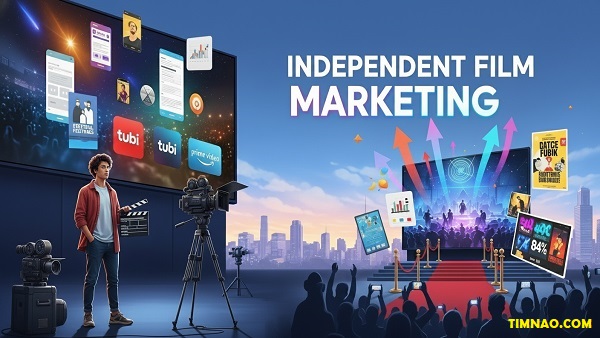
Fearless & Proven: The Independent Film Marketing Playbook for First-Timers 🚀
Independent film marketing, film distribution, and festival strategy don’t have to be overwhelming. If you’re a first-time filmmaker, this guide shows how to think like a marketer from day one, build a realistic launch plan, and give your movie a real shot—without sounding like a textbook. We’ll start with the basics, layer in current market realities, and finish with a week-by-week action plan you can actually use.
Table of Contents
- 🎬 The New Reality: Where Indie Films Win Now
- 🧭 Start Early: Build Your Marketing Mindset Before You Shoot
- 📦 Design the “Product”: Title, Genre, Package, and Promise
- 📣 Pitch Like a Pro: Decks, Proof, and Buyer Signals
- 📸 On Set = Marketing Gold: Stills, EPK, and Approvals
- 🎟️ Festivals & Sales: Targeted Paths That Actually Convert
- 📺 Distribution Demystified: Theatrical, TVOD, SVOD, AVOD & FAST
- 🛒 Go-to-Market on a Micro-Budget: Ads, PR, and Partnerships
- 📊 Money Talk: Forecasts, KPIs, and Simple Benchmarks
- ⚠️ Pitfalls & Fixes: Common Indie Mistakes to Avoid
- 🗓️ Your 30-Day Launch Sprint (Beginner Edition)
- ❓Quick FAQs for First-Timers
- ✅ Key Lessons & Takeaways
🎬 The New Reality: Where Indie Films Win Now
“Independent film marketing” isn’t about outshouting studios. It’s about being precise: understanding where audiences actually watch, what makes them click, and how you can meet them with the right story at the right moment. For beginners, this is liberating. You don’t need a nationwide theatrical release to make a dent. You need a focused plan and the right assets.
How people discover films now. Most viewers encounter new titles through short video feeds, creator recommendations, and platform carousels. That means your 6–10 second hooks matter as much as your trailer. A poster that reads clearly on a phone screen might outperform a festival-style collage. And a clean logline backed by social proof (“From the team behind…”, “Winner at…”, “Starring…”) increases conversion whether you’re selling tickets or pushing a premium rental.
Think in windows, not one moment. You’ll hear the term “windowing” a lot. It simply means planning a sequence of release steps instead of a single “big bang.” A practical indie sequence looks like this:
- Event screenings in cities where you have community support and press angles.
- Premium rental/sale (TVOD/EST) on platforms like Apple TV, Prime Video, or Google/YouTube Movies.
- Subscription (SVOD) licensing if secured, or move to AVOD/FAST (free with ads) via services like Tubi, Pluto TV, or Amazon Freevee.
You won’t use every window on every film. Pick the two or three that align with your genre, audience size, and goals. For instance, a grass-roots documentary may thrive on event screenings plus AVOD/FAST, while a sharp genre thriller might anchor on TVOD week one, then court an SVOD license.
What success actually looks like. Stop chasing a mythical one-weekend spike. Real indie wins often arrive as a chain of smaller successes:
- A sold-out hometown premiere with vibrant Q&A photos.
- A TVOD week one that beats your modest target because your email list and retargeting were dialed.
- A mid-tail platform placement where your artwork nails the thumbnail test, watch-through is strong, and word of mouth builds.
Beginner move: write your Windowing One-Pager today. Include: (1) target festivals/events, (2) your intended first paid window, (3) your “fallback” reach window (SVOD/AVOD), and (4) 3–5 assets you must deliver before each window (poster sizes, cutdowns, captions, local press list, etc.). Keep it to a single page so you and collaborators actually use it.
Why this helps film distribution. Distributors and sales agents don’t just buy films—they buy clarity. A film with a visible audience path is de-risked. A filmmaker who understands windowing, audience, and deliverables becomes easier to champion inside a buyer’s organization. This is the quiet edge of independent film marketing: you look like someone who can finish the race and bring an audience with you.
🧭 Start Early: Build Your Marketing Mindset Before You Shoot
Waiting until post-production to think about your audience is the most expensive mistake you can make. When marketing starts at script stage, everything downstream becomes cheaper, faster, and better.
Define your audience in one tight paragraph
Begin with a single paragraph that anyone on the team can repeat:
- Who they are: age range, interests, and the communities they belong to (e.g., climbing gyms, K-pop Twitter, true-crime subreddits).
- Where they hang out: key platforms (e.g., YouTube, Instagram, TikTok) and a couple of creators they already follow.
- Why they’ll care: the emotional promise (fear release, laugh therapy, underdog inspiration) and the topical hook (subculture, location, true story).
If you can share that paragraph with a friend and they instantly name two accounts or places where your audience gathers, you’re on track. If they look puzzled, your audience is still too vague.
Set measurable pre-production goals
Skip the vague “build hype.” Use goals you can hit in 3–6 weeks:
- Collect 1,000 qualified emails from your core audience. Use a one-page site on Squarespace with a tasteful teaser still and a promise: “First to see the trailer + early screening codes.” Connect to Mailchimp.
- Test 3 poster directions via ad micro-tests. Spend a small amount to learn which composition earns the best saves/clicks.
- Lock your festival shortlist and create a contact list of regional press, community partners, and screening venues.
These numbers are modest on purpose. Hitting small, clear targets teaches you where demand lives and what visuals pull people in.
Budget a real (but small) marketing line
Even on a micro-budget, reserve 5–10% for marketing. A minimal starter list:
- Unit stills photographer (two “stills days” + on-set coverage).
- Poster design from a specialist (not just a friend who knows Photoshop).
- Trailer editor for a 60–90s cut plus 6–10s social hooks.
- Landing page + email tool + domain.
- A small ad sandbox for testing.
If you can’t ring-fence cash, ring-fence time and favors now. You’ll spend twice as much later if you don’t.
Build a no-drama approvals plan
Marketing bottlenecks often come from approvals, not creativity. Before you shoot:
- Add image approval language to cast agreements (reasonable and time-bound).
- Appoint one point person (producer or publicist) who consolidates feedback.
- Establish a 48-hour default for approvals on social cutdowns and stills; silence = approve unless otherwise stated.
- Maintain a shared folder of pre-approved assets for festivals, press, and partners.
Start your “evidence” archive
From day one, gather materials that prove momentum:
- On-set photos with releases, short video snippets, and quick quotes.
- A timeline of milestones: casting, table read, first day on set, locked cut, sound mix, etc.
- A spreadsheet of contacts: journalists, curators, venue owners, creators, and community leaders—tagged by city and niche.
Later, this becomes your EPK (electronic press kit) and your ready-to-ship assets folder for festivals and distributors.
Think like a funnel (but keep it human)
Use a simple three-stage model so everyone knows the plan:
- Top of Funnel (Awareness): short hooks (6–10s), character moments, and striking stills.
- Middle (Consideration): the trailer, behind-the-scenes posts, reviews/quotes, and personal director notes.
- Bottom (Conversion): “Get tickets,” “Pre-order on Apple TV,” “RSVP for the premiere,” with smart reminders and retargeting.
The trick: keep every touchpoint warm and personal. Write like a human, reply to DMs, spotlight early fans, and show your face in updates. Your film will feel alive—and that lifts conversion more than any hack.
📦 Design the “Product”: Title, Genre, Package, and Promise
Your film is art, yes—but it’s also a product that must be legible in three seconds on a small screen. Design it so the right people “get it” instantly. This is where independent film marketing and film distribution intersect: clarity at a glance.
Craft a title people can recall tomorrow
A memorable title does three things: it sounds like your genre, it’s short enough to fit in a thumbnail, and it triggers imagery in the mind. To find it:
- Brainstorm 20–30 options without judgment.
- Shortlist 6 favorites that feel distinct.
- Test them with your audience via:
- A simple poll to your email list.
- A quick $10–$20 ad test comparing click-through to the same still.
- A “memory test” with friends 24 hours later: which titles can they still recall?
Red flags: two-word phrases that are generic (“Dark Night,” “The Unknown”), unpronounceable foreign words with no story relevance, and titles that require explanation.
Lock a one-sentence logline that sells a promise
Write a logline that someone can repeat after hearing it once. Formula to start:
- Character + desire + obstacle + unique angle.
“A burned-out paramedic must get a heart for a transplant across a flooded city—guided only by a pirate radio DJ who claims to be her missing brother.”
Avoid plot soup. If people can’t re-tell your logline, your trailer will carry the entire weight of discovery.
Choose a genre with intention
Some genres travel farther on small budgets because audiences already search for them and platforms know where to shelve them. If you’re new:
- Horror/thriller: high potential on TVOD and AVOD, thumbnail-friendly, thrives on creator reactions.
- Rom-com/elevated romance: works when your tone is clear and leads have chemistry that pops in stills.
- Sports/music docs and passion-topic docs: the community exists; partners and screenings are easier to line up.
This isn’t about “selling out.” It’s about matching the film’s DNA to the places where first-time filmmakers have real leverage.
Build a package buyers can understand at a glance
A buyer, programmer, or journalist might skim your materials in 90 seconds. Your package should telegraph “we know our audience” from slide one.
Must-have components:
- Key art that converts: One dominant visual, clean title treatment, and legible credits. Design for a phone first. Tools like Canva or Adobe Express are great for resizing once a pro sets the look.
- Teaser/trailer plan: A 60–90 second main trailer plus 2–4 short cutdowns (6–10s) for Instagram/TikTok/YouTube Shorts.
- Audience map: The three communities you’ll hit first (e.g., college esports clubs, LA sneakerheads, Chicago house music fans) and exactly how you’ll reach them.
- Comparable titles (honest): 3–5 comps with format and path (festival + TVOD + AVOD, etc.) and what you learned from each.
- Cast and team with a hook: A lead with a niche fan base can matter more than a broader “name” who won’t lift engagement.
- Proof points: Social followers you’ve grown, email list size, festival interest, or partner letters. These are your buyer signals.
Beginner exercise: assemble a one-page Package Snapshot now. Put your best vertical poster thumbnail, logline, 3 comps, audience paragraph, and release path in one place. Share it with a trusted producer or festival-savvy friend. If they can’t tell who the film is for or where it should debut, tighten.
Design for the thumbnail test
Your poster must work in three states:
- Full poster (print, festival, press).
- Platform tile (16:9 or 1:1 with minimal copy).
- Mobile thumbnail (tiny; the face and contrast must still “read”).
Practical tips:
- Avoid busy collages. Hero one expressive face or a bold, legible image.
- Keep type clean and thick enough to hold at small sizes.
- Use contrast (light vs. dark, warm vs. cool) to make the thumbnail pop.
- Export multiple crops: 2000×3000 (portrait), 3000×2000 (landscape), and 1080×1350 (social).
Create a proof-of-concept that actually sells
If you can shoot a day or two before principal photography, capture two pivotal scenes that showcase tone, performance, and your visual language. Cut a tight 60–90s proof reel for private links. Pair it with:
- A three-slide overview (title + logline, tone board, audience map).
- Two key art directions.
- A clear ask (representation, finishing funds, market meetings).
This small kit opens doors without drowning gatekeepers in info.
On-set asset plan = future marketing insurance
While shooting, treat each day like a content day:
- Schedule stills days: posed portraits of leads on neutral backgrounds for clean poster composites.
- Capture B-roll of meaningful interactions (director notes, stunt rehearsals, makeup transformations).
- Film 30–60 second “diary” clips with your lead or director once per week—great for later PR beats.
- Keep a running metadata sheet: locations, soundtrack cues, props, fun trivia. This feeds IMDb, Rotten Tomatoes, and platform synopses.
Plan your early partners now (they lower your ad costs later)
Identify 5–10 partners who can actually move people:
- Communities & nonprofits that align with your theme (offer screening co-hosts and revenue share).
- Venues/retailers where your audience gathers (sneaker shops, climbing gyms, vinyl stores).
- Creators who talk to your crowd—aim for mid-tier voices that care, not massive accounts that won’t engage.
Offer something specific: advance screener + Q&A access, custom poster art, or co-branded events via Eventbrite. Partnerships that feel genuine can outperform cold ads by a wide margin.
Package delivery: what you’ll need for festivals and buyers
Create a living checklist so deliverables don’t sneak up on you:
- Video: DCP (if needed), a QC’d ProRes master, and trailer masters with captions.
- Artwork: poster variations (portrait/landscape/square), platform tile, stills pack with filenames and credits.
- Text: short synopsis (25–35 words), long synopsis (120–150 words), logline, bios, and credits.
- EPK: download link with organized folders, plus an online view page for quick browsing.
- Admin: releases, music cue sheet, festival application info, and a clean spreadsheet of target programmers/press.
Submit to festivals via FilmFreeway, keep everything updated, and maintain a tracking sheet with deadlines and fee waivers you’ve requested.
Promise what you can deliver—and deliver what you promise
Your “promise” is the emotional outcome the film offers. Be specific. “A heartfelt look at friendship” is soft. “A summer-bright comedy about two ex-best friends who start a fake relationship to win a grant” is vivid. Everything—title, poster, trailer, copy—should echo that promise. When your promise is clear, festival programmers know where to schedule you, platforms know which shelf you belong on, and audiences know why they should care.
You’ve seen how the new landscape works, what to set up before you shoot, and how to design a package that speaks a buyer’s language. From here, we’ll shift gears into pitching with confidence—building the deck, cutting a teaser that converts, and signaling momentum in ways that open doors without burning time.
📣 Pitch Like a Pro: Decks, Proof, and Buyer Signals
Pitching your film is the first true test of how well you understand both the art and the business of filmmaking. No matter how passionate you are about your story, the way you present it determines whether potential investors, distributors, or festival programmers will see it as a real opportunity. Beginners often make the mistake of thinking a pitch is just a slideshow and a trailer — but in reality, it’s a carefully constructed argument that proves three things: your story has an audience, your team can deliver, and the project has commercial potential.
What Buyers Are Really Looking For
Before you design a single slide or shoot a single second of proof footage, you need to know what matters most to the people you’re pitching to. Almost every buyer — from a sales agent to a streaming platform acquisitions executive — will evaluate your project based on three key factors:
- Audience clarity: Can you clearly identify who this film is for, and can you show you know how to reach them?
- Execution confidence: Does your team have the experience, resources, and vision to deliver the film on time, on budget, and at a professional standard?
- Commercial potential: Does the project have a viable path to revenue, either through festivals, streaming, theatrical, or niche distribution?
Your deck, teaser, and supporting materials should answer all three of these questions before anyone has to ask.
Building a Pitch Deck That Sells
Think of your pitch deck as a business card for your movie. It’s not a script or a screenplay summary — it’s a visual, strategic tool that convinces people to join you on the journey. The best pitch decks are usually no more than 15 to 20 slides, and each slide has a single clear purpose.
Here’s a structure that works:
- Cover Slide: Title, tagline, genre, and a striking key visual.
- Logline: One sentence that instantly sells the premise.
- Synopsis: A 2–3 paragraph overview that captures tone, conflict, and stakes.
- Visual Style: A tone board or lookbook showing the mood, cinematography, and color palette.
- Audience Breakdown: Demographics, psychographics, and how you plan to reach them.
- Comparable Titles: Three to five similar films and their performance (ideally with box office or streaming metrics).
- Marketing Plan: Your launch vision — festivals, social media campaigns, community partnerships, or press strategy.
- Distribution Strategy: Your planned release windows (e.g., festival premiere → TVOD → SVOD/AVOD).
- Creative Team: Director, producers, key crew, and any attached cast.
- Budget Snapshot: High-level budget range, how much is secured, and what you’re seeking.
- Timeline: Major milestones from pre-production to release.
- Call to Action: What you’re looking for — financing, representation, distribution, or co-production.
Keep each slide focused and visually appealing. Use striking stills, color palettes, and short, impactful text. A cluttered, text-heavy deck is a red flag for many buyers.
Crafting Proof-of-Concept Materials
Words are powerful, but nothing sells a film like seeing it in motion. Proof-of-concept materials are especially valuable for first-time filmmakers or genre projects that rely on mood, tone, or special effects.
There are three common forms of proof content:
- Proof-of-Concept Scene (2–5 minutes): A short sequence that captures the heart of the film — whether it’s the tone, character dynamic, or visual style.
- Sizzle Reel (60–120 seconds): A high-energy marketing piece that mixes interviews, concept art, temp footage, and narration to sell the idea.
- Teaser Trailer (60–90 seconds): If you’ve shot principal photography, a teaser is essential. It should have a clear hook in the first five seconds, a strong emotional arc, and a memorable ending.
Make sure these materials look professional, even if the budget is minimal. Basic color grading, clean audio, and a strong music choice can elevate perception dramatically.
The Buyer Signals That Matter Most
Even the best-looking materials need proof that your film is more than a passion project. Industry decision-makers are looking for signals of momentum — evidence that there’s already demand or credibility behind your project. Some of the strongest include:
- Attached talent: Even a supporting actor with a niche following can raise interest.
- Audience traction: Email list size, social media following, engagement metrics, or crowdfunding results.
- Press coverage: Early buzz from niche blogs, local newspapers, or film podcasts.
- Festival inquiries: Conversations with programmers or letters of interest.
- Partnerships: NGOs, nonprofits, or brands aligned with your film’s theme.
- Community involvement: Screening RSVPs, beta viewer feedback, or pre-sale interest.
You don’t need all of these — even two or three strong signals can significantly strengthen your pitch.
📸 On Set = Marketing Gold: Stills, EPK, and Approvals
For many filmmakers, the production phase is so overwhelming that marketing takes a backseat. But in reality, every day on set is an opportunity to generate marketing assets that you’ll never be able to recreate again. These assets — stills, behind-the-scenes content, interviews, and metadata — are essential for press, festivals, and distribution.
Why On-Set Assets Matter
When a festival programmer or distributor considers your film, they’re not just looking for a finished movie. They’re also evaluating how easy it will be to market. High-quality stills, a polished electronic press kit (EPK), and strong behind-the-scenes content make your film look bigger, more professional, and more marketable.
Most indie filmmakers skip this step and regret it later — they scramble for press materials after post-production, when the cast has moved on and the energy is gone. Don’t make that mistake.
Capturing High-Impact Stills
Stills are the single most reused marketing asset you will create. They’re used on festival websites, posters, streaming thumbnails, press articles, and social media posts. Here’s how to get them right:
- Hire a professional unit photographer. Even a one-day shoot with a pro can make a world of difference.
- Schedule dedicated stills days. Don’t rely solely on live-action shots; plan sessions where cast members pose in key costumes and lighting setups.
- Capture multiple types of stills:
- Hero shots (iconic moments for posters)
- Character portraits (great for press)
- Behind-the-scenes candids (humanize your marketing)
- Neutral background portraits (for composite designs)
Avoid blurry, low-resolution, or overly busy shots. If your stills don’t look like they belong in a press kit for a professional film, buyers will assume the same about the film itself.
Building a Press-Ready EPK
An Electronic Press Kit (EPK) is your film’s media toolkit — it’s what journalists, festival programmers, and distributors will request first. A strong EPK usually includes:
- A short and long synopsis
- Logline and tagline
- Director’s statement
- Cast and crew bios
- Key stills and behind-the-scenes photos
- Trailer and teaser links
- Production notes and trivia
- Credits and contact information
Host your EPK online (for example, in a private Google Drive folder or on a dedicated press page on your website) and keep it updated as new milestones are reached.
Manage Approvals Early
One of the most common marketing bottlenecks comes from talent approvals. If you wait until post-production to request usage rights or sign-offs, you’ll face delays — or worse, legal challenges.
Here’s how to avoid headaches:
- Include image and likeness approval clauses in cast contracts before shooting.
- Establish a fast approval timeline (48–72 hours).
- Appoint a single person to coordinate approvals.
- Store all approvals and releases in a centralized, easy-to-access location.
🎟️ Festivals & Sales: Targeted Paths That Actually Convert
Film festivals are often seen as the holy grail for indie filmmakers — but in truth, they’re a means to an end, not the end itself. The goal isn’t just to get laurels; it’s to secure press, build momentum, attract buyers, or land distribution. That’s why strategy is far more important than quantity.
Choosing the Right Festivals
Submitting to every festival you can afford is a rookie mistake. Instead, build a festival pyramid:
- Tier A (Launch Platforms): Prestigious festivals like Sundance, Cannes, TIFF, or SXSW. These are hard to get into but offer maximum exposure and industry access.
- Tier B (Targeted Regionals): High-quality regional or niche festivals that align with your film’s audience or genre (e.g., Fantastic Fest for horror, DOC NYC for documentaries).
- Tier C (Community & Specialty): Smaller festivals that offer strong audience engagement, local press, or potential for direct sales.
A well-placed screening in Tier B or Tier C can sometimes do more for your film than a failed Tier A submission.
Know Your Festival Objectives
Before you apply, clarify what you want from the festival circuit:
- Press coverage: Prioritize festivals with media attendance.
- Sales interest: Choose events with active distributor or agent presence.
- Community building: Select screenings that attract your ideal audience.
- Awards potential: Submit where your genre or theme is more likely to win.
With a clear goal, you can tailor your submissions, outreach, and on-site activities for maximum impact.
Working with Sales Agents vs. Going Solo
A sales agent is essentially your film’s broker. They pitch to distributors, negotiate deals, and often coordinate deliverables. They usually take a commission (10–25%) but bring valuable relationships and expertise.
However, they’re not always necessary. If you have a niche film, a defined audience, and the ability to self-market, using an aggregator to place your film directly on platforms might make more sense. The trade-off: you keep more control but also carry more responsibility for driving traffic.
Deliverables That Win Deals
Many distribution opportunities are lost not because the film wasn’t good, but because the filmmaker wasn’t prepared. Before meeting with agents or distributors, make sure you have:
- A high-quality master (ProRes or DCP)
- Closed captions and subtitles
- Multiple poster and key art variations
- Trailer, teaser, and short promo clips
- Metadata (synopsis, credits, cast info, keywords)
- Legal documentation (music rights, talent releases, etc.)
Having these ready communicates professionalism and removes barriers to a quick deal.
Turn Festival Buzz Into Sales Momentum
The weeks following a festival premiere are your most valuable window for generating deals. Use it wisely:
- Send your EPK, screening photos, and press links to potential buyers.
- Follow up with attendees, journalists, and industry contacts within 48 hours.
- Post behind-the-scenes content and testimonials on social media to maintain momentum.
- Offer private screeners to distributors or platforms that couldn’t attend.
At this point, you’ve built a compelling pitch, captured the marketing assets that give your film credibility, and learned how to approach festivals strategically. The next step is mastering distribution itself — understanding how theatrical, TVOD, SVOD, and AVOD/FAST models work and how to craft a launch plan that turns your film into a sustainable business.
📺 Distribution Demystified: Theatrical, TVOD, SVOD, AVOD & FAST
Distribution is where your film turns from a finished file into a living product people can actually watch. For beginners, the maze of acronyms can feel intimidating, but each option is just a tool. Once you know what each window does, you can design a release that matches your audience, budget, and goals—without wasting time or money.
Think of distribution as a relay race. Each window hands momentum to the next. You don’t need every leg of the race for every film; you need the right sequence for your project. Below, we’ll break down the major windows, show when to use them, and give you practical steps to make each one work on a small budget.
The Distribution Window Mindset for Beginners
A “window” is simply a timed phase of release. For an indie film, a sensible path might be: targeted theatrical events → premium rental/sale (TVOD) → subscription streaming (SVOD) or free-with-ads (AVOD/FAST). Your aim is to stack visibility and revenue, not to blow everything on one weekend.
A few principles to guide you:
- Pick two or three windows you can execute well, not five you can’t support.
- Design assets per window (poster crops, trailer cutdowns, copy).
- Keep a single source of truth for dates, links, and artwork so partners don’t post outdated materials.
- Use email + retargeting to move warm audiences from one window to the next.
Theatrical: Prestige, Publicity, and Community Proof
Theatrical still matters for indies, but not primarily for cash. Think of it as a credibility engine and a content machine.
What it’s good for:
- Press hooks and reviews. Local premieres make it easier to land articles and interviews.
- Social proof. Photos of packed rooms and Q&As power your TVOD push.
- Community partnerships. Co-host with nonprofits, clubs, or venues aligned with your theme.
How to run a small-but-mighty theatrical:
- Go where you’re strong. Program cities with built-in audience (schools, clubs, hometowns, niche communities).
- Make it an event. Pair screenings with panels, workshops, live music, or meetups.
- Ticketing and CRM. Use Eventbrite for events and collect emails at the door.
- Capture assets. Hire a photographer; record short testimonial clips in the lobby.
Smart handoff: At each screening, drive people to pre-order TVOD or join your watch-first email list. Your goal is to turn the in-theater audience into the core of your week-one digital buyers.
TVOD: Your First Paid Window
TVOD (Transactional Video on Demand) is where viewers pay to rent or buy your film on platforms like Apple TV, Prime Video, or Google Play. For many first-time indies, it’s the most immediate revenue moment.
Why it matters:
- Premium positioning. Feels “new” and valuable to fans who don’t want to wait.
- Direct revenue. You get paid per unit sold or rented.
- Signal to buyers. Strong week-one TVOD can attract SVOD/AVOD interest.
How to make TVOD work:
- Pre-orders and reminders. Build a countdown with your email list, social posts, and SMS (if you use it). Offer an early-bird bonus (exclusive BTS clip, director’s note PDF).
- Trailer + cutdowns. Launch a 60–90s trailer plus 6–10s hooks for Instagram, TikTok, and YouTube Shorts.
- Retargeting. Show ads to everyone who watched your trailer or visited your site. Even $10–$20/day can move the needle.
- Ranking nudge. Concentrate traffic in the first 72 hours to climb in-platform charts.
Pricing basics:
- Typical rent: $4.99–$6.99.
- Typical buy: $9.99–$14.99.
If your audience skews price-sensitive, open with a rental-first push; if you have superfans, lead with “buy” and add a digital extras bundle.
SVOD: Licensing for Scale and Trust
SVOD (Subscription Video on Demand) platforms—like Netflix, Hulu, and Disney+—pay a license fee (or revenue share) to stream your film for a set period. For many indies, SVOD is the widest audience stage and a credibility boost for future projects.
Why it matters:
- Mass reach. A good placement can introduce your film to viewers you’d never reach alone.
- Perceived quality. “Now streaming on…” elevates your marketing.
- Lower ongoing costs. Once licensed, your incremental marketing load can drop.
How to get into SVOD:
- Build heat early. Festivals, press quotes, and TVOD performance are persuasive signals.
- Use representation. A sales agent’s Rolodex helps more than cold emails.
- Be format-ready. Deliverables, closed captions, and artwork variations reduce friction.
- Be flexible. A niche platform (e.g., genre-focused streamers) can be a smart stepping stone.
Deal reality for beginners:
- Expect exclusivity windows (regional or platform-specific).
- Payment structures vary; read terms on holdbacks (limits on other windows).
- Where possible, negotiate promotional support (in-platform row, newsletter mention).
AVOD: Free-to-Watch Long Tail
AVOD (Advertising Video on Demand) platforms—like Tubi, Pluto TV, and ad-supported areas of YouTube—let audiences watch free while ads generate revenue. It’s rarely your biggest payday up front, but it can keep your film alive for years.
Why it matters:
- Discovery. Zero price barrier attracts curious viewers.
- Evergreen income. As long as people watch, revenue trickles in.
- Audience building. Great for growing your fanbase before your next project.
How to succeed on AVOD:
- Thumbnail test. Design a high-contrast tile with legible title treatment at tiny sizes.
- Metadata matters. Strong synopsis, cast mentions, and relevant keywords improve search and recommendations.
- Niche outreach. Push to communities likely to binge (true crime forums, genre subreddits, sports clubs).
- Refresh the feed. Periodically release new clips or alternate artwork to spike interest.
Positioning tip:
- If you didn’t land SVOD, an AVOD push is often the best way to trade margin for reach and keep momentum going.
FAST: Channel-Based Discovery
FAST (Free Ad-Supported Streaming TV) services—such as Amazon Freevee, The Roku Channel, and Plex—mimic linear TV. Viewers “tune in” to themed channels where your film can play in scheduled slots. It’s different from on-demand browsing and can surface your film to viewers who weren’t searching.
Why it matters:
- Lean-back viewing. Audiences discover content without decision fatigue.
- New life for catalog. Great for older titles or films with clear thematic hooks.
- Additive revenue. Complements AVOD as part of a free-with-ads strategy.
How to get onto FAST:
- Work with a distributor/aggregator. Most FAST services don’t take direct pitches.
- Think packaging. Themed bundles or multiple titles (e.g., “festival shorts,” “city stories,” “mountain docs”) are attractive to channel programmers.
- Promote the slot. Share broadcast times in newsletters and socials like an event.
Choosing and Sequencing Windows for Your Film
Match your path to your film’s strengths and your capacity to market:
If your priority is revenue now
- Theatrical events (select cities) → TVOD with heavy retargeting → SVOD if available → AVOD/FAST.
If your priority is reach and brand-building
- Theatrical showcase (press focus) → brief TVOD to capture superfans → wide AVOD/FAST → optional SVOD later if deal appears.
If you have a highly niche community
- Community screenings and partner events → TVOD to your list → AVOD with relentless grassroots promotion → FAST for broader discovery.
Practical Launch Timeline (12–18 Months)
Month 0–2: Festival + Theatrical Seeds
- Premiere at a targeted festival or run 2–6 event screenings.
- Capture photos, testimonials, and press quotes.
- Grow your email list with QR codes and giveaways.
Month 2–4: TVOD Launch
- Open pre-orders on Apple TV or Prime Video if eligible.
- Drop trailer + 6–10s cutdowns across YouTube/Instagram/TikTok.
- Run retargeting ads; ask partners to mail their lists.
Month 4–8: SVOD Negotiations or AVOD Debut
- If heat is strong, push for SVOD license; otherwise, move to Tubi/Pluto TV.
- Release alternate artwork to refresh the feed and pitch topical press angles.
Month 8–18: FAST + Evergreen
- Secure placements on Amazon Freevee, The Roku Channel, or Plex.
- Tie screenings or virtual Q&As to anniversaries, holidays, or themed months.
- Cross-promote your next project using the audience you’ve grown.
Essential Deliverables by Window
Theatrical
- DCP or high-quality screening file; trailer DCP if applicable.
- Poster (print ready), event synopsis, Q&A talking points, press list.
- On-site photo/video capture plan.
TVOD
- ProRes master; 4K if available; stereo + 5.1 where possible.
- Trailer main + cutdowns; platform tiles (portrait/landscape/square).
- Closed captions; multilingual subs if you have them.
- One-click landing page linking to platforms.
SVOD
- Full deliverables bundle (masters, M&E tracks, captions, artwork variants).
- Clean metadata (logline, short/long synopsis, cast, crew, keywords).
- Rights and music documentation organized for quick clearance.
AVOD/FAST
- Platform-optimized artwork (high-contrast, minimal text).
- Captions and multiple language subs to improve watch time.
- Fresh thumbnails and seasonal loglines for periodic refresh.
- Traffic plan (email pushes, partner posts, creator collabs).
Simple Metrics to Track by Window
Theatrical
- Tickets sold, email signups per screening, % of attendees who follow you.
TVOD
- Pre-orders, week-one rentals/buys, cost per completed trailer view, ROAS on retargeting.
SVOD
- Placement quality (featured row or not), estimated completion rate, search interest lifts.
AVOD/FAST
- Watch time, completion rate, return viewers, spikes tied to new artwork or PR.
Read signals, not just totals. A small but high-completion audience can be more valuable for your next deal than a large, low-retention spike.
Common Distribution Pitfalls (and How to Avoid Them)
- Mismatched artwork across windows. Solve it with a shared asset library and a master artwork guide.
- Too many platforms at once. Focus traffic where it will move the ranking needle.
- No email list. Start building it at your first festival or test screening.
- Late deliverables. Create a “delivery calendar” with owner + due date next to each item.
- Random pricing. Align price with comparable titles; test promotions during meaningful dates.
Toolkit: Platforms and Services
- Ticketing & events: Eventbrite
- TVOD: Apple TV, Prime Video, Google Play
- SVOD (examples): Netflix, Hulu, Disney+
- AVOD: Tubi, Pluto TV, YouTube
- FAST: Amazon Freevee, The Roku Channel, Plex
- Creative resizing: Canva, Adobe Express
- Email & site: Mailchimp, Squarespace
With a sensible window plan and the right assets for each stage, you’ll turn your film into a durable product—not a one-week flash. Next, we’ll dive into micro-budget go-to-market tactics that stretch every dollar across ads, PR, and partnerships so your release actually compels people to click “watch.”
🛒 Go-to-Market on a Micro-Budget: Ads, PR, and Partnerships
One of the most common misconceptions among first-time filmmakers is that you need a massive marketing budget to make an impact. The truth is, smart strategy beats deep pockets almost every time — especially in the world of independent film marketing. With creativity, focus, and the right mix of channels, you can attract attention, build momentum, and convert audiences into paying viewers without draining your bank account.
This section is designed to give beginners a clear, actionable playbook for launching a film on a tight budget. We’ll break it down into three pillars — ads, PR, and partnerships — and show how they work together to maximize reach and revenue.
Building a Strategic Funnel on a Budget
Before diving into tactics, it’s essential to think about your marketing as a funnel — a journey your audience takes from first hearing about your film to finally watching it. A simple indie film funnel looks like this:
- Top of Funnel (TOF): Build awareness through teaser content, social media clips, and community engagement.
- Middle of Funnel (MOF): Nurture interest with trailers, interviews, and early reviews.
- Bottom of Funnel (BOF): Drive conversions with calls-to-action like “Rent Now,” “Pre-Order,” or “Join the Premiere.”
Designing content for each stage — even if it’s low-budget — ensures that you’re not just shouting into the void but guiding people toward a viewing decision.
Ads: Precision Over Size
Paid advertising often scares indie filmmakers because of cost. But the truth is, micro-targeted ad campaigns can outperform massive studio spends if they’re focused and data-driven.
Start Small and Iterate
Begin with a test budget of $10–$20/day for two weeks. Run different versions of your ads (different headlines, visuals, or calls-to-action) and see which performs best. Once you find a “winning” combination, scale it slowly.
Choose the Right Platforms
- Meta Ads (Facebook & Instagram): Best for audience building and retargeting. Use for short video teasers, behind-the-scenes content, and direct links to pre-orders.
- TikTok Ads: Great for discovery if your film appeals to younger demographics. Focus on 6–10 second vertical clips with strong hooks.
- YouTube Ads: Ideal for trailers and sizzle reels, especially when targeting film-related channels or genre-specific audiences.
- Google Search Ads: Can work well for niche films where people are actively searching for specific topics (e.g., “indie horror film 2025”).
Retargeting: The Secret Weapon
Retargeting is the most cost-effective form of advertising. It shows ads only to people who have already interacted with your film — visited your website, watched your trailer, or followed your social media.
- Install a Facebook Pixel and Google Tag on your site.
- Run retargeting ads to those warm audiences before and during release week.
- Expect 3–5x higher conversion rates than with cold traffic.
Creative Tips for Low-Budget Ads
- Hook fast: The first 2 seconds are everything. Start with a striking visual or line of dialogue.
- Use testimonials: A quote from a festival judge, a critic, or even an audience member adds credibility.
- Leverage social proof: “Winner of Best Feature at…” or “Over 10,000 views in 48 hours” can dramatically increase clicks.
PR: Earned Media That Amplifies Reach
Paid ads are powerful, but earned media — articles, interviews, podcast features, and reviews — builds credibility that money can’t buy. For indie filmmakers, PR can often deliver more impact than any single ad campaign.
Build a Press Kit
Before you pitch anyone, have a professional EPK (Electronic Press Kit) ready. It should include:
- Logline, short and long synopsis
- Director’s statement
- Cast and crew bios
- High-resolution stills and behind-the-scenes photos
- Trailer and teaser links
- Festival selections and awards
- Contact info and social links
Make it easy for journalists to write about you. The less work they have to do, the more likely they are to feature your film.
Craft a Great Pitch Email
A well-written email is often more important than the press release itself. Here’s a simple template:
- Subject: “Award-Winning Indie Thriller Premieres This Fall — Exclusive Interview Opportunity”
- Opening: A one-sentence hook about your film.
- Body: A short paragraph explaining why the film is timely, relevant, or unique.
- Call-to-action: Offer a screener link, interview, or behind-the-scenes access.
Keep it under 150 words, personalize it to each journalist, and always follow up politely a week later.
Target Niche Media First
Instead of chasing mainstream outlets, aim for niche blogs, newsletters, podcasts, and YouTube channels that speak directly to your audience. A feature in a genre-specific newsletter often converts better than a small mention in a major newspaper.
Leverage Local and Community Media
Local papers, radio shows, and community websites love stories about homegrown talent. These smaller outlets are often easier to secure coverage from and can still generate significant attention — especially ahead of a hometown screening or festival debut.
Partnerships: The Most Underrated Indie Growth Hack
Partnerships can be a game-changer for indie films because they provide distribution, credibility, and audiences you don’t have to pay for. The key is aligning with organizations, creators, or brands that share your target audience.
Types of Partnerships That Work
- Community Organizations: NGOs, nonprofits, or clubs related to your film’s theme (e.g., environmental groups for a climate doc).
- Local Businesses: Cafes, bookstores, or cinemas that can host screenings or cross-promote the film.
- Influencers & Creators: Mid-level creators (10k–100k followers) are often more effective than celebrities because their audiences are highly engaged.
- Festivals & Events: Partner with niche festivals, conventions, or expos to promote your film to a pre-qualified crowd.
How to Pitch a Partnership
- Be clear about what’s in it for them. Offer free tickets, co-branded materials, affiliate revenue, or early access to content.
- Provide ready-to-share assets. Pre-designed social posts, email templates, and posters make it easy for partners to promote.
- Keep it simple and specific. Aim for one clear action: “Post once,” “Email your list,” or “Co-host a screening.”
📊 Money Talk: Forecasts, KPIs, and Simple Benchmarks
Even if numbers aren’t your strong suit, understanding the basics of revenue forecasting and performance tracking is essential. You don’t need a finance degree — just a simple system for setting expectations, measuring results, and adjusting your strategy.
Building a Simple Revenue Forecast
Start by breaking down your expected income by window. Use conservative, realistic numbers based on your audience size and marketing capacity.
Example:
- Theatrical events: 5 screenings × 100 tickets × $10 = $5,000
- TVOD: 1,000 rentals × $5 = $5,000
- SVOD license: $15,000 flat fee
- AVOD revenue: 100,000 views × $0.01 = $1,000
Total projected revenue: $26,000
This isn’t about predicting the future perfectly — it’s about setting goals and understanding what success looks like.
Essential KPIs to Track
- Trailer Performance:
- View-through rate (VTR) — how many people watch to the end.
- Click-through rate (CTR) — how many click through to your site or platform.
- Email Growth:
- Number of new subscribers per month.
- Conversion rate from email to ticket sale or rental.
- Conversion Metrics:
- Pre-order numbers during TVOD window.
- Day-one and week-one sales or rentals.
- Platform Engagement:
- Completion rate on SVOD or AVOD platforms.
- Watch time trends over time.
- Press & Social Mentions:
- Volume of media coverage and average sentiment.
- Follower growth and engagement spikes after major milestones.
Track these metrics weekly during your launch and monthly afterward. Use them to decide whether to scale ads, pitch additional press, or adjust pricing.
⚠️ Pitfalls & Fixes: Common Indie Mistakes to Avoid
Even with a solid plan, first-time filmmakers often make avoidable mistakes that can hurt their marketing or distribution results. Knowing these pitfalls — and how to fix them — can save you time, money, and frustration.
Mistake 1: Treating Marketing as an Afterthought
The Problem: Waiting until post-production to start marketing leads to rushed campaigns, poor materials, and missed opportunities.
The Fix: Treat marketing as part of production. Plan your funnel, capture stills, and start audience-building from day one.
Mistake 2: Weak Poster and Trailer
The Problem: Your poster and trailer are the first impressions buyers and audiences get. If they look amateurish, most people won’t click play.
The Fix: Hire a professional designer and editor, even if only for a day. Test multiple versions and use data to pick the winner.
Mistake 3: Ignoring Data
The Problem: Many indie filmmakers rely on gut instinct instead of analytics, wasting money on strategies that don’t work.
The Fix: Set clear KPIs before launch and review them weekly. Let data, not ego, guide your decisions.
Mistake 4: Going Too Broad with Festivals
The Problem: Submitting to dozens of random festivals drains your budget and rarely leads to results.
The Fix: Target a handful of festivals that match your genre, audience, or distribution goals.
Mistake 5: Not Building an Email List
The Problem: Social media algorithms change, but email is forever. Without a list, you lose direct contact with your fans.
The Fix: Start collecting emails as soon as you announce the project. Offer exclusive content or early access as an incentive.
Now that you understand how to launch your film on a budget, measure your results, and avoid common traps, the final piece of the puzzle is execution — pulling everything together into a launch timeline and daily action plan that turns all this knowledge into actual viewers and revenue.
🗓️ Your 30-Day Launch Sprint (Beginner Edition)
One of the biggest challenges indie filmmakers face isn’t finishing their film — it’s launching it. Without a clear roadmap, marketing often becomes chaotic: posts are rushed, emails go out too late, and opportunities slip by. That’s why a 30-day sprint plan is one of the most powerful tools you can use to keep your release organized, strategic, and impactful.
Think of this sprint as your “final push” — a concentrated, four-week campaign that combines everything you’ve built so far (your assets, audience, partnerships, and press) into a powerful launch sequence. The goal isn’t to do everything, but to do the right things in the right order.
Week 1: Foundation & Prep
The first week is all about getting your infrastructure in place — websites, tracking tools, mailing lists, and teaser content. Think of this as laying the rails before the train leaves the station.
Key Actions:
- Launch Your Official Website or Landing Page
- Use a simple site builder like Squarespace or Wix.
- Include: trailer teaser, synopsis, key art, cast info, and clear calls to action (e.g., “Sign up for updates” or “Pre-order now”).
- Set Up Analytics and Pixels
- Install Google Analytics and Facebook Pixel to track traffic and conversions.
- This will allow you to retarget people who visit your site or watch your trailer.
- Warm Up Your Audience
- Send a “Coming Soon” email to your mailing list.
- Post a teaser still or short video across social platforms.
- Start a countdown (e.g., “30 days until launch”) to build anticipation.
- Test Your Marketing Materials
- A/B test two versions of your poster or teaser on social media to see which gets more engagement.
- Run a $10–$20 ad test to identify which audience segment responds best.
- Create a Press Outreach List
- Compile a list of 50–100 journalists, bloggers, and podcasters in your film’s niche.
- Draft personalized pitch emails to be sent in Week 2.
Pro Tip: Spend time perfecting your website and email signup process now. Every visitor you capture this week can become a paying viewer later.
Week 2: Awareness & Buzz
Now that your foundation is set, Week 2 is about getting the word out. This is the week when your film should start showing up in people’s feeds, inboxes, and conversations.
Key Actions:
- Drop Your First Trailer or Official Teaser
- Press Outreach Begins
- Send out your press kit with personalized pitches.
- Offer interview opportunities with the director or cast.
- Highlight festival selections, unique angles, or social issues the film explores.
- Leverage Influencers & Creators
- Reach out to micro-influencers (5k–50k followers) in your genre or niche.
- Offer them early screening access, exclusive behind-the-scenes content, or Q&A sessions.
- Engage Your Community
- Go live on Instagram or YouTube to answer fan questions.
- Host an AMA (Ask Me Anything) on Reddit or a relevant forum.
- Share behind-the-scenes stories to deepen audience connection.
- Secure Local Coverage
- Pitch hometown media for interviews or articles — local press often converts well.
- Offer a press-only screening or a behind-the-scenes feature.
Pro Tip: Your trailer is your most powerful tool this week. Push it hard — pin it on your social profiles, run paid ads behind it, and embed it everywhere.
Week 3: Conversion & Sales Setup
This is where things get serious. Your goal this week is to turn all the buzz you’ve created into commitments — pre-orders, ticket sales, RSVPs, or rentals.
Key Actions:
- Activate Pre-Orders or Ticket Sales
- If going digital, open pre-orders on Apple TV or Prime Video.
- If going theatrical, sell tickets for premiere screenings and special events.
- Launch Your Paid Ad Campaigns
- Retarget people who watched your trailer, visited your website, or engaged with your posts.
- Use direct calls to action like “Pre-order now” or “Get tickets today.”
- Send Conversion-Focused Emails
- Email your list with clear next steps: “Reserve your ticket,” “Be first to watch,” or “Unlock early access.”
- Offer small incentives (like bonus content) for early action.
- Release Testimonials & Endorsements
- Share critic quotes, festival laurels, or influencer reactions.
- Social proof dramatically increases conversion rates.
- Host a Virtual Q&A or Watch Party
- Offer behind-the-scenes insights and sneak peeks.
- Use it as a soft sell for pre-orders or premiere tickets.
Pro Tip: Focus your marketing spend here. Conversion-focused ads and emails are where you’ll see the highest ROI.
Week 4: Launch & Momentum
It’s showtime. This week is about making as much noise as possible — and then keeping that momentum alive beyond opening day.
Key Actions:
- Official Launch Day Push
- Post countdowns and “Now Available” graphics everywhere.
- Schedule multiple posts across platforms with direct watch links.
- Encourage fans and partners to share.
- Activate Partnerships
- Have collaborators post on their platforms.
- Run cross-promotions with local businesses or events.
- Post Behind-the-Scenes Content
- Share bloopers, director commentary, or deleted scenes.
- Keep audiences engaged after they’ve watched.
- Gather and Share Audience Reactions
- Repost fan reviews, screenshots, and testimonials.
- Highlight positive press coverage and early success metrics.
- Plan the Next Window
- Use this momentum to promote the next phase (e.g., AVOD release or FAST channel premiere).
- Announce bonus screenings or community events to sustain buzz.
Pro Tip: The work doesn’t stop on launch day. Keep feeding the algorithm with new content and updates for at least 2–3 weeks after release.
❓ Quick FAQs for First-Timers
Do I need a theatrical release to succeed?
No. While a limited theatrical run can boost credibility and generate press, many successful indie films go straight to digital. What matters is how well you reach and engage your audience — not the format.
Is it worth hiring a PR agency?
If you have the budget, a good PR firm can amplify your reach significantly. But if you’re bootstrapping, DIY PR with a well-crafted press kit and targeted outreach can still deliver strong results.
How much should I spend on ads?
Start small. Even $300–$500 spread over a month can make a big difference if you target well and use retargeting. Once you see results, you can scale gradually.
Should I pay for festival submissions?
Yes — but selectively. Prioritize festivals that align with your film’s genre, audience, or distribution goals. A handful of strategic submissions often outperform dozens of random ones.
What’s the #1 mistake to avoid?
Launching without an email list or direct audience connection. Social media algorithms change, but an email list is yours forever. Start building it as soon as possible.
✅ Key Lessons & Takeaways
- Start Early, Not Late: Marketing isn’t a post-production task — it should begin at the script stage.
- Think in Windows: Plan a clear release sequence — theatrical, TVOD, SVOD, AVOD, or FAST — based on your goals.
- Build, Nurture, Convert: Guide your audience from awareness to purchase with a structured funnel.
- Leverage Partnerships: Community groups, influencers, and local businesses can amplify your reach without big budgets.
- Track What Matters: KPIs like trailer views, email growth, and week-one rentals tell you where to focus your efforts.
- Avoid Common Pitfalls: Bad posters, late marketing, and ignored data can sink even great films.
- Plan for the Long Game: Momentum doesn’t end on launch day — keep promoting, engaging, and building for months after release.
Independent filmmaking isn’t just about creativity — it’s about resilience, strategy, and relentless execution. By following the playbook above, you’re not just releasing a film — you’re launching a sustainable career. Every film you make, market, and distribute builds credibility and community for the next one. Stay focused, stay flexible, and keep telling stories that deserve to be seen.
📜 Disclaimer
The information provided in this article is intended for general educational and informational purposes only. It is designed to help independent filmmakers, students, and beginners understand key principles of film marketing, distribution, and launch strategy based on publicly available industry knowledge, practical experience, and current best practices.
This content does not constitute legal, financial, or professional advice, and should not be relied upon as such. Before making decisions regarding contracts, intellectual property, financing, or distribution deals, readers are strongly encouraged to consult with qualified professionals such as entertainment lawyers, accountants, or distribution experts.
While every effort has been made to ensure the accuracy and timeliness of the information, the film industry is dynamic and constantly evolving. The author and publisher make no representations or warranties of any kind, express or implied, about the completeness, accuracy, reliability, suitability, or availability of the information contained herein.
By using this article, you acknowledge and agree that the author and publisher shall not be held responsible or liable for any loss, damage, or other consequences that may result from the use — or misuse — of the information provided. Your reliance on any part of this article is strictly at your own risk.





Useful and well-structured. Looking forward to more posts from you.
Thanks so much!