💡 Transform Your Future: The Smart Investing Blueprint for Lasting Financial Freedom 🚀
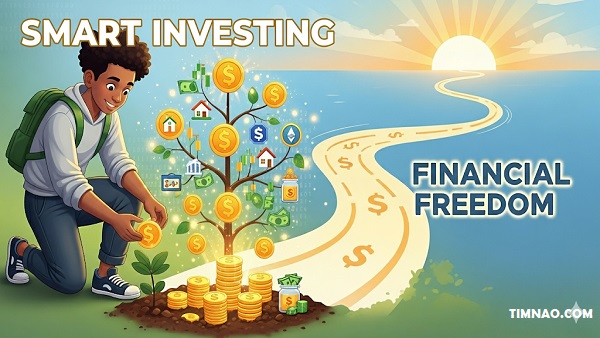
Smart investing is one of the most powerful skills you can develop if you want to achieve lasting financial freedom. It’s not about getting rich overnight or gambling on the next “big thing.” Instead, it’s about creating a clear plan, building healthy money habits, and letting time and discipline work in your favor.
For beginners, this might sound intimidating—but the truth is, anyone can learn how to invest wisely. Whether you’re just starting your first job, trying to pay off debt, or looking for ways to grow your savings, smart investing gives you the tools to take control of your financial future.
Think of it as a journey. Along the way, you’ll learn how to budget smarter, save consistently, and invest in opportunities that align with your goals. You’ll also discover strategies used by some of the world’s most successful investors—adapted in simple, practical ways that anyone can follow.
This guide is designed to be your starting point. By the end, you’ll not only understand the basics of money management and investing but also know how to build a long-term roadmap toward true financial independence.
Table of Contents
- 🌱 Why Smart Investing Matters for Beginners
- 🧠 Shaping Your Money Mindset for Success
- 📊 Budgeting Smarter: Tools, Rules, and Real-Life Examples
- 🛡️ The Safety Net: Building and Protecting an Emergency Fund
- 💸 Saving Like a Pro: From Small Wins to Big Results
- 📈 Investing Basics Every Beginner Must Know
- ⏳ Winning with Long-Term Investing Strategies
- 📂 Crafting a Beginner-Friendly Portfolio
- 🏡 Building Wealth with Real Estate and Beyond
- 🔑 Tax-Smart Wealth Strategies Beginners Overlook
- 🌍 Exploring Alternative Investments (Crypto, Metals & More)
- 💼 The Millionaire Mindset: Thinking Like the Wealthy
- 🛠️ Creating Multiple Streams of Passive Income
- 🛤️ Your Roadmap to Financial Freedom
- 🌟 Staying Consistent: How to Keep Growing Without Burning Out
🌱 Why Smart Investing Matters for Beginners
When people first hear the phrase “smart investing,” it often sounds like something reserved for the wealthy, finance professionals, or people glued to stock charts all day. In reality, smart investing is one of the most practical life skills anyone can learn—no matter your income or background. For beginners, it’s less about knowing everything about the stock market and more about building simple habits that steadily grow your wealth.
The main reason investing matters is that money loses value over time due to inflation. If you simply save cash under your mattress or even in a regular savings account, the rising cost of goods will slowly eat away at its buying power. Smart investing helps your money outpace inflation, which means you can do more with it in the future than you can today.
Another important reason is financial freedom. At some point, most people want the ability to stop working for money and instead have money working for them. By investing wisely—even in small amounts—you’re planting seeds that grow into financial independence over time. You won’t have to rely solely on a paycheck, and you’ll gain the flexibility to pursue things you truly care about.
Take the example of Warren Buffett, who began investing as a child by buying small amounts of stock. His success didn’t come from chasing quick wins, but from being consistent and letting compound interest work in his favor. The lesson here is simple: you don’t need to start big; you need to start smart.
The Building Blocks of Smart Investing
For beginners, smart investing doesn’t need to be complicated. Think of it as three main building blocks:
- Saving Consistently – Before you invest, you need money set aside. Even $50 or $100 a month can make a difference when invested over time.
- Growing Through Investments – Once you’ve built a cushion, you can put money into assets that generate returns—like stocks, real estate, or funds.
- Protecting Your Progress – Avoiding unnecessary debt, setting up an emergency fund, and spreading your investments across different areas ensures you don’t lose everything in a single setback.
The Magic of Compounding
The real power behind investing is compound interest—earning returns not only on your original money but also on the returns it has already generated.
Imagine you invest $1,000 with an average annual return of 8%. After the first year, you’ll have $1,080. In year two, you don’t just earn 8% on the original $1,000—you earn it on $1,080. Over decades, this snowballs into significant wealth.
This is why starting early matters. The sooner you begin, the more time your money has to grow without you having to work harder.
Why It Matters Specifically for Beginners
If you’re new to investing, you may wonder, “Why should I care about this right now?” The answer is simple: the habits you start today will shape your financial future.
- Early advantage: Time in the market matters more than timing the market. A beginner who starts at 25 with small investments may end up wealthier than someone who invests larger sums starting at 40.
- Financial security: Even modest investing reduces financial stress because you know you’re preparing for the future.
- Freedom of choice: The sooner you begin, the sooner you can make career or lifestyle choices without being tied down by financial pressure.
Smart investing isn’t about getting rich overnight—it’s about building peace of mind, freedom, and long-term security.
🧠 Shaping Your Money Mindset for Success
While knowing the mechanics of investing is important, the truth is that success starts in your mind. Your money mindset—the beliefs and attitudes you hold about money—can either help you grow wealth or hold you back from achieving financial stability.
Understanding Your Current Money Mindset
Everyone has a money story shaped by upbringing, culture, and past experiences. Maybe you grew up in a household where money was always tight, leading to the belief that “money is scarce.” Or perhaps you were told that “rich people are greedy,” which made you feel guilty about wanting wealth.
These subconscious beliefs can directly affect your financial choices. If you believe “I’m just not good with money,” you’re less likely to learn about investing. If you think “wealth is only for the lucky,” you might avoid opportunities that could actually improve your financial future.
The first step is to recognize these beliefs. Write down the phrases or thoughts you associate with money. Do they sound empowering or limiting? Awareness is the beginning of change.
Replacing Limiting Beliefs with Empowering Ones
Once you’ve identified negative money beliefs, the next step is to reframe them. Instead of saying, “I’ll never have enough,” you can shift it to, “I’m learning how to manage and grow what I have.” This small change in language makes a big difference in how you act.
- Limiting belief: “Money is the root of all evil.”
- Empowering belief: “Money is a tool that can create opportunities and positive change.”
- Limiting belief: “I can’t invest because I don’t earn enough.”
- Empowering belief: “Even small amounts invested regularly can grow into wealth.”
Real-life example: J.K. Rowling once struggled financially as a single mother. Instead of letting her situation define her, she focused on her skills and perseverance. Over time, her shift in mindset and dedication led her to become one of the world’s wealthiest authors.
Adopting the Millionaire Mindset
Wealthy people think differently about money. They see it not as an end goal but as a tool for creating freedom, opportunities, and growth. You don’t need to be rich to think like a millionaire—you can start adopting these habits today:
- Practice Discipline and Patience – Focus on long-term growth rather than instant gratification. Warren Buffett, despite his billions, is still known for living modestly because he values long-term results over short-term splurges.
- Invest in Learning – Read books, take online courses, or follow trusted financial educators. The more you understand, the more confident you’ll be in making financial decisions.
- Take Calculated Risks – Fear keeps many beginners from investing. But building wealth requires stepping out of your comfort zone—whether that’s opening your first investment account or trying a side hustle.
- Create Value, Not Just Income – Instead of thinking “How can I earn money?” ask “How can I solve a problem or create value?” Wealth naturally follows value creation.
Practical Steps to Build a Strong Money Mindset
- Set clear goals: Define what financial freedom means to you—whether it’s buying a home, traveling, or retiring early.
- Track your progress: Use a simple app or journal to monitor your savings and investments. Seeing growth, even small, reinforces positive beliefs.
- Surround yourself with examples: Follow stories of people who started small and succeeded. Inspiration can fuel action.
- Celebrate small wins: Each time you save money, pay off debt, or invest a little, acknowledge your progress. Success builds on itself.
A Beginner’s Action Plan
If you’re starting from zero, here’s a quick action plan to begin shaping your money mindset today:
- Write down three limiting money beliefs you currently hold.
- Rewrite them into positive, empowering statements.
- Identify one small financial action you can take this week (e.g., save $20, open a free investment app, cancel an unused subscription).
- Repeat this process weekly until new habits become natural.
By mastering both the ‘why’ and the right mindset, you give yourself a strong foundation for smart investing. It’s not just about money—it’s about building confidence, freedom, and peace of mind. Once your mindset is aligned with your goals, you’ll be ready to take the next step: learning practical strategies like budgeting, saving effectively, and creating an emergency fund to protect your progress.
📊 Budgeting Smarter: Tools, Rules, and Real-Life Examples
Budgeting often gets a bad reputation. Many people think of it as boring spreadsheets, endless restrictions, and the dreaded feeling of “I can’t spend on anything fun.” But the truth is, a budget is not about saying ‘no’—it’s about giving your money a plan. Just like you wouldn’t start a road trip without a map, you shouldn’t manage your money without one.
For beginners, budgeting is the easiest way to take control of your finances. Instead of wondering where your money went at the end of the month, you’ll know exactly where it should go before you even spend it. And the best part? You don’t need to be a math genius—today’s tools and simple rules make it accessible for everyone.
Why Budgeting Is the Foundation of Smart Investing
Imagine you’re building a house. Your budget is the foundation. Without it, you can’t safely build walls (savings) or a roof (investments). You might try to skip straight to investing, but if your money habits are chaotic, you’ll end up selling your investments just to cover emergencies.
A smart budget:
- Ensures your bills and essentials are covered.
- Protects money for savings and investing before you spend on “wants.”
- Shows you where you’re overspending so you can make better choices.
When done right, a budget feels less like punishment and more like freedom, because you know your essentials are taken care of and you can spend guilt-free on things that matter most to you.
Simple Budgeting Rules That Work
For beginners, complicated budgeting methods can feel overwhelming. That’s why simple frameworks work best. Here are three popular approaches you can try:
1. The 50/30/20 Rule
This is one of the easiest rules for beginners:
- 50% Needs: Rent, utilities, groceries, transportation.
- 30% Wants: Travel, dining out, entertainment, hobbies.
- 20% Savings & Investments: Emergency fund, retirement accounts, stock market.
This works well if your expenses are balanced. But if your rent or debt eats up more than 50%, adjust accordingly—just make sure you don’t sacrifice savings entirely.
2. The Pay Yourself First Method
Instead of saving what’s “left over” at the end of the month, you save first. The moment your paycheck arrives, set aside a fixed amount (even $50) into savings or investments. Whatever remains is what you budget for expenses. This flips the script and ensures saving is a priority.
3. Zero-Based Budgeting
Every dollar you earn is assigned a job: rent, groceries, savings, debt repayment, or even “fun money.” At the end of the month, your income minus expenses equals zero. This method gives you the most control but requires regular tracking.
Tools That Make Budgeting Easier
You don’t have to rely on paper notebooks anymore. Technology makes budgeting simple and often automatic:
- Mint: Free app that tracks expenses and categorizes them automatically.
- YNAB (You Need A Budget): A proactive budgeting tool that encourages giving every dollar a purpose.
- PocketGuard: Helps you see how much you can safely spend without touching your savings goals.
- GoodBudget: Envelope-style budgeting for people who like dividing money into categories.
💡 Beginner Tip: Don’t spend hours tracking every coffee purchase. Start broad—just separate your spending into “needs, wants, and savings.” As you get comfortable, you can add more details.
Real-Life Examples of Smarter Budgeting
Let’s say Maria earns $2,500 a month after taxes. Using the 50/30/20 rule:
- $1,250 (50%) covers her rent, bills, and groceries.
- $750 (30%) is for hobbies, Netflix, and eating out.
- $500 (20%) goes into savings and investments.
Now imagine Maria wants to pay off debt faster. She can temporarily switch to a 60/20/20 budget, putting 20% toward debt while keeping savings intact. This flexibility shows that budgeting isn’t rigid—it’s adaptable to your goals.
Another example: James, who hates tracking expenses, uses the pay yourself first method. Each payday, he sets up an automatic transfer of $200 into his Roth IRA. He doesn’t think twice about it because the money is already saved before he touches it.
The common theme? Both Maria and James use systems that match their personalities. The best budget is the one you’ll actually stick to.
🛡️ The Safety Net: Building and Protecting an Emergency Fund
Now that you know how to budget smarter, the next step is protecting yourself from financial surprises. Life happens—your car breaks down, a medical bill arrives, or your job situation changes. Without preparation, these events push people into debt or force them to pull money out of investments. That’s why an emergency fund is critical.
Think of your emergency fund as your personal safety net. It’s not exciting, but it’s the reason acrobats can perform daring stunts confidently. In your financial life, it gives you stability and peace of mind.
How Much Should You Save?
Most experts recommend 3–6 months of essential expenses. If your monthly bills are $2,000, your fund should be between $6,000 and $12,000.
- If you have a stable job and no dependents, 3 months may be enough.
- If you’re self-employed or have a family, aim closer to 6–12 months.
💡 Beginner Strategy: Don’t get overwhelmed by the total number. Start with a mini goal—$500 or $1,000. That’s often enough to cover small emergencies like car repairs or medical co-pays.
Where to Keep Your Emergency Fund
The key is safety and accessibility. You want your emergency fund available when you need it, not locked away in risky investments. Good options include:
- High-Yield Savings Accounts (HYSA): Online banks like Ally or Marcus offer higher interest than traditional banks.
- Money Market Accounts: Safe and slightly higher returns.
- Certificates of Deposit (CDs): If you want to lock in part of your fund for better rates, but avoid tying up all your money.
Avoid using stocks or crypto for emergency savings. Their value can drop right when you need cash the most.
How to Build Your Emergency Fund Faster
- Automate Savings: Set up an automatic transfer from checking to savings each payday. Even $25 weekly grows over time.
- Use Windfalls: Tax refunds, bonuses, or side hustle income can jump-start your fund.
- Cut Small Costs: Cancel unused subscriptions, cook at home more often, or use cashback apps like Rakuten. Redirect the extra money to your fund.
- Sell What You Don’t Use: Old electronics, clothes, or furniture can quickly add a few hundred dollars.
Real-Life Example: Building an Emergency Fund Step by Step
Consider Sarah, who earns $3,000 monthly and spends $2,200 on essentials. Her target emergency fund is $6,600 (3 months). She sets up:
- $200 auto-transfer every month.
- Directs her $1,000 tax refund straight into savings.
- Sells unused furniture, adding $500.
In just one year, she reaches $3,900—more than halfway to her goal. Instead of stressing about perfection, she focuses on consistent progress.
Why an Emergency Fund Protects Your Investments
One of the biggest mistakes beginners make is skipping the emergency fund and jumping straight into investing. Then, when an unexpected expense comes up, they’re forced to sell investments at the worst possible time.
For example, during the 2020 pandemic crash, many people panicked and pulled out investments—not because they lost faith in the market, but because they needed cash. Those with emergency funds could wait it out and eventually saw their portfolios recover.
Having this safety net ensures you can stay invested for the long term, which is where real wealth is built.
Combining Budgeting and an Emergency Fund
The smartest approach is to let your budget fuel your emergency fund. For example:
- Use the 50/30/20 rule and dedicate part of the 20% “savings” portion to your emergency fund until it’s full.
- Once your safety net is ready, redirect that money into investments.
This way, your budget doesn’t just cover today’s bills—it builds tomorrow’s security.
Budgeting smarter and building an emergency fund give you both direction and protection. With a clear plan for your money and a safety net to handle the unexpected, you create stability in your financial life. That stability makes it easier to focus on the future instead of constantly worrying about the present.
Once these foundations are in place, you can start thinking beyond emergencies—how to grow your savings intentionally and explore investments that put your money to work.
💸 Saving Like a Pro: From Small Wins to Big Results
Most people think saving money means giving up the things they love. In reality, saving like a pro is less about sacrifice and more about strategy. It’s about finding small wins that add up over time and turning those wins into habits that naturally grow your wealth.
The truth is, you don’t need to earn a six-figure salary to save effectively. What matters most is consistency. By starting small and staying consistent, you’ll see results that may surprise you.
The Power of Small Wins
Saving doesn’t always mean big dramatic changes. Even little adjustments can create momentum. For example:
- Cutting one $5 coffee a day frees up around $150 a month—almost $1,800 a year.
- Bringing lunch from home twice a week could save another $80–100 monthly.
- Canceling unused subscriptions (gym, apps, streaming) can instantly free up cash without changing your lifestyle much.
These small wins might not seem like much, but they create a powerful cycle: the more progress you see, the more motivated you become to save.
Automating Your Savings
One of the easiest ways to save like a pro is to remove willpower from the equation. Automation ensures saving happens without you thinking about it.
- Set up direct transfers: As soon as your paycheck hits, automatically move a set amount into savings.
- Use “round-up” apps: Tools like Acorns automatically round up purchases and invest the spare change.
- Split your paycheck: Some employers let you divide your paycheck between checking and savings automatically.
Automation helps you treat saving as a bill you must pay—except this bill pays you.
Creating Buckets for Savings Goals
Professional savers don’t lump everything into one account. They use goal-based saving, dividing money into separate “buckets.” This makes it easier to stay focused and prevents you from spending your vacation fund on a new gadget.
Common buckets include:
- Emergency Fund (already covered)
- Retirement Savings
- Travel or Experiences
- Home or Car Down Payment
- Personal Growth (courses, certifications, hobbies)
💡 Try opening multiple savings accounts or using apps that let you label your goals. Seeing progress toward each goal keeps you motivated.
Saving More by Earning Smarter
While cutting expenses helps, there’s a limit to how much you can trim. Increasing income—even slightly—gives you more room to save without tightening your budget too much.
Ways to add extra income streams:
- Freelance work using skills you already have.
- Selling products online through platforms like Etsy or eBay.
- Starting a side hustle like tutoring, ridesharing, or content creation.
If you direct 100% of side hustle income into savings or investments, you’ll accelerate results without changing your main lifestyle.
Real-Life Example: Saving on a Tight Budget
Take Alex, who earns $2,200 a month. Initially, he thought saving was impossible. But after reviewing his expenses, he found:
- $50 wasted on unused subscriptions.
- $120 from eating out three times a week.
- $60 from impulse shopping.
By redirecting just $230 each month into savings, Alex grew his account to nearly $3,000 in a year. The key wasn’t huge sacrifices—it was awareness and small consistent choices.
📈 Investing Basics Every Beginner Must Know
Once you’ve built a habit of saving, the next step is learning how to grow your money. Saving protects your wealth, but investing multiplies it. Without investing, inflation will slowly erode your purchasing power.
Investing might sound intimidating, but it doesn’t have to be. With the right basics, beginners can confidently start putting their money to work.
Why Beginners Should Start Investing Early
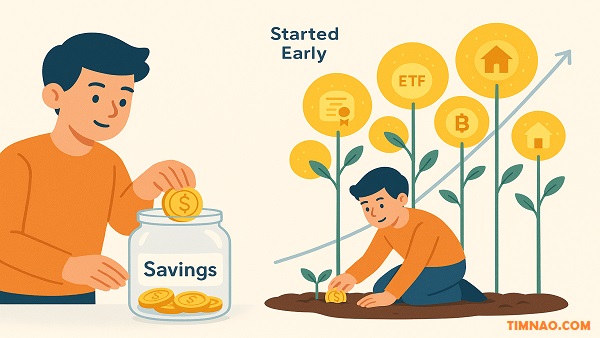
Time is your greatest asset as an investor. Thanks to compounding, even small investments grow significantly over decades.
Imagine two friends, Lisa and Mark:
- Lisa starts investing $200 a month at age 25.
- Mark waits until 35 to start, investing the same $200 monthly.
By age 65, assuming a 7% return, Lisa will have around $480,000, while Mark will only have $240,000—half as much—even though both invested the same amount monthly. The only difference? Lisa started earlier.
Types of Investments Beginners Should Know
There are countless ways to invest, but here are the main categories beginners should understand:
1. Stocks
Buying a stock means owning a piece of a company. If the company grows, your share’s value rises. Stocks historically provide high returns, but prices can fluctuate in the short term.
2. Bonds
Bonds are loans you give to governments or companies in exchange for interest payments. They’re generally safer than stocks but offer lower returns.
3. Mutual Funds and ETFs
These are collections of many stocks or bonds grouped together. Instead of picking individual companies, you invest in a fund that spreads your money across multiple assets. ETFs (Exchange-Traded Funds) are especially popular for beginners because they are low-cost and easy to buy.
4. Real Estate
Buying property can generate rental income and grow in value over time. Today, you can also invest in real estate indirectly through Real Estate Investment Trusts (REITs) without owning physical property.
5. Alternative Investments
This includes things like gold, crypto, or collectibles. While these can diversify your portfolio, they tend to be riskier and should be approached with caution.
How to Start Investing as a Beginner
- Get Your Foundation Ready – Make sure you have a budget and emergency fund in place.
- Open an Investment Account – Beginners can start with platforms like Vanguard, Fidelity, or apps like Robinhood and eToro.
- Start Small – Even $50 or $100 a month is enough to get started.
- Choose Simple Investments – Low-cost index funds or ETFs are excellent beginner choices. They track the overall market and require little management.
- Invest Regularly – Use a strategy called dollar-cost averaging: invest the same amount at regular intervals regardless of market ups and downs. Over time, this smooths out volatility.
Managing Risk Without Fear
One of the biggest reasons beginners avoid investing is fear of losing money. The key is to manage risk rather than avoid it entirely.
- Diversify: Don’t put all your money into one stock or asset. Spread it across different investments.
- Think Long-Term: Markets go up and down in the short term, but over decades they tend to rise.
- Stay Calm During Dips: If you panic and sell when markets fall, you lock in losses. If you hold, you give your investments time to recover.
Remember: investing isn’t gambling when you follow a consistent, informed strategy.
Common Mistakes Beginners Should Avoid
- Waiting too long to start: Time is more important than timing.
- Chasing “hot” stocks or trends: What goes up fast often crashes just as quickly.
- Investing without a plan: Always define your goals before choosing investments.
- Neglecting fees: High fees eat into your returns. Look for low-cost funds.
Real-Life Example: Starting Small with ETFs
Consider Mia, a recent graduate with only $100 to spare each month. Instead of picking individual stocks, she puts her money into a total market ETF. Over time, she adds more whenever she gets a raise or side income. Ten years later, her steady contributions and compounding growth give her a strong foundation for bigger financial goals.
Mia’s example shows that you don’t need thousands of dollars to start investing. What matters is consistency and patience.
Bringing Saving and Investing Together
Saving and investing aren’t rivals—they’re partners. Saving builds your financial base, while investing helps your money grow beyond what saving alone can achieve. Both are necessary: saving gives you security, and investing gives you opportunity.
By starting small, automating your habits, and focusing on simple, reliable investments, you set yourself on a path where your money works for you instead of the other way around.
🏡 Building Wealth with Real Estate and Beyond
Real estate has long been considered one of the most reliable ways to build wealth. Unlike stocks or bonds, real estate gives you something tangible—land or property—that tends to appreciate over time. It can generate both steady income and long-term growth, making it a powerful piece of your financial plan.
But real estate isn’t the only path. In today’s world, wealth building goes beyond traditional property ownership. New opportunities like real estate crowdfunding, fractional ownership, and even digital assets can open doors for beginners with smaller budgets.
Why Real Estate Matters
Real estate offers two main benefits: cash flow and appreciation.
- Cash flow comes from renting out property. If your rent covers the mortgage, taxes, and maintenance, anything left over is profit.
- Appreciation is the increase in property value over time. Historically, real estate has grown steadily, especially in growing cities.
Unlike some investments, real estate also provides leverage. With a mortgage, you can control a valuable asset while only putting down a fraction of the cost upfront.
Types of Real Estate Investments
Beginners don’t have to jump straight into buying a single-family house. There are several ways to get started, depending on your budget and risk tolerance:
- Rental Properties: Buying a home or apartment and renting it out. This provides steady monthly income but requires management.
- House Hacking: Living in one part of a property while renting out the other (e.g., duplex). This reduces your living costs while building equity.
- Real Estate Investment Trusts (REITs): These are like mutual funds for real estate. You can buy shares of REITs through the stock market and earn dividends from commercial properties, without owning physical real estate.
- Crowdfunding Platforms: Sites like Fundrise allow you to invest in real estate projects with as little as $10–$100.
- Vacation Rentals (Airbnb): Renting out a property short-term can bring higher returns, though it requires more effort and is subject to local regulations.
Risks to Keep in Mind
While real estate is powerful, it’s not without challenges. Properties can sit vacant, repairs can be costly, and market downturns can reduce value. That’s why beginners should:
- Start small and learn as they go.
- Keep an emergency reserve for unexpected expenses.
- Research local rental demand and property values before buying.
The key is preparation. Many people lose money in real estate because they jump in without fully understanding costs like taxes, maintenance, and property management.
Beyond Real Estate: Expanding Your Wealth Strategy
Real estate is just one way to build wealth. To reduce risk, it’s smart to diversify into other areas as well:
- Stocks and ETFs: Provide growth and liquidity.
- Bonds: Offer stability and income.
- Side Businesses: A small online store, freelance service, or digital product can generate income streams outside of your main job.
- Digital Assets: While riskier, assets like cryptocurrency or NFTs can add diversification if approached carefully.
Think of your wealth strategy like a toolbox. Real estate might be your hammer, but you’ll still need screwdrivers, wrenches, and other tools to build something strong and lasting.
Real-Life Example: A Balanced Approach
Consider Sarah, who started with a small condo rental. The rental income covered the mortgage and gave her $200 extra monthly. Instead of spending it, she invested in an S&P 500 ETF. Within five years, she owned a cash-flowing property and a growing investment portfolio.
Her success didn’t come from choosing one path but from combining different wealth-building tools.
🔑 Tax-Smart Wealth Strategies Beginners Overlook
Building wealth isn’t just about what you earn—it’s also about what you keep. Taxes can quietly eat away at your growth if you’re not careful. Fortunately, there are beginner-friendly strategies to reduce your tax burden while growing your wealth.
Understanding Why Taxes Matter
If you earn $50,000 and save $5,000, that’s great. But if you invest through a tax-smart account, that same $5,000 could grow faster because less of it goes to the government each year. Over decades, the difference can be huge.
For example, investing $5,000 annually at 7% for 30 years gives you about $472,000 in a taxable account—but around $574,000 in a tax-advantaged account. That’s over $100,000 more, simply by choosing the right structure.
Tax-Advantaged Accounts for Beginners
Depending on where you live, there are special accounts designed to encourage saving and investing:
- 401(k) (U.S.): Offered by many employers. Contributions are pre-tax, meaning you reduce taxable income today, and the money grows tax-deferred until retirement.
- Roth IRA (U.S.): Contributions are after-tax, but your money grows tax-free and withdrawals in retirement aren’t taxed.
- HSAs (Health Savings Accounts): If eligible, HSAs offer triple tax benefits: tax-deductible contributions, tax-free growth, and tax-free withdrawals for medical expenses.
- ISAs (UK): Individual Savings Accounts allow tax-free growth and withdrawals.
Even if you’re outside the U.S. or UK, check for local equivalents. Many countries offer similar retirement or investment accounts.
Reducing Taxes on Real Estate
Real estate offers unique tax benefits that beginners often miss:
- Mortgage Interest Deduction: You can deduct the interest you pay on your loan.
- Depreciation: Even though your property may be increasing in value, tax rules allow you to “depreciate” it, reducing taxable income.
- Capital Gains Rules: If you live in your home for at least two years before selling, you may avoid paying taxes on some or all of the profit.
These advantages make real estate not just a wealth-builder but also a tax-efficient strategy.
Tax-Efficient Investing in the Stock Market
Taxes also apply to stocks, ETFs, and mutual funds. Here’s how beginners can invest smarter:
- Hold Investments Longer: Short-term gains (under a year) are taxed higher than long-term gains.
- Use Tax-Loss Harvesting: Selling losing investments to offset gains can lower your tax bill. Many platforms now automate this process.
- Choose Low-Turnover Funds: Index funds and ETFs generate fewer taxable events compared to actively managed funds.
Common Mistakes Beginners Make with Taxes
- Ignoring tax benefits: Many people invest in regular accounts without realizing they’re losing thousands to unnecessary taxes.
- Selling too often: Frequent trading creates higher taxable gains.
- Not planning withdrawals: Pulling money out at the wrong time (like during high-income years) can increase taxes unnecessarily.
Real-Life Example: Saving Thousands with Tax Planning
Mark and Jenny both invest $300 monthly. Mark uses a regular brokerage account, while Jenny invests through a Roth IRA. After 25 years, Jenny’s account grows tax-free to over $240,000, while Mark owes taxes on his $240,000 balance. Depending on rates, that could mean Jenny keeps $40,000–$50,000 more—simply because of tax planning.
Combining Wealth and Tax Strategies
Smart wealth building isn’t about choosing between real estate, stocks, or retirement accounts—it’s about combining them while keeping taxes in mind. A property generating rental income, an ETF portfolio compounding over decades, and tax-advantaged accounts all working together can create powerful momentum toward financial freedom.
When you approach wealth-building with both growth and taxes in mind, you’re not just earning more—you’re keeping more. That difference compounds into financial security, flexibility, and the freedom to choose how you want to live.
🌍 Exploring Alternative Investments (Crypto, Metals & More)
Once you’ve built a solid foundation with savings, stocks, and possibly real estate, you may want to explore alternative investments. These are assets outside the traditional categories of stocks and bonds. They can bring extra growth opportunities, act as a hedge against inflation, or simply diversify your portfolio so you’re not relying on just one type of investment.
Alternative investments often come with higher risks, but for beginners who approach them carefully, they can add balance and new opportunities. Let’s look at the most common ones:
Cryptocurrency
Cryptocurrency has become one of the most talked-about investment categories in recent years. Coins like Bitcoin and Ethereum have grown from being niche digital assets to widely recognized alternatives to traditional money.
What makes crypto unique is its decentralized nature—it isn’t controlled by banks or governments. Some see it as “digital gold,” a way to store value outside the traditional system.
How beginners can get started:
- Use trusted platforms like Coinbase or Binance to buy.
- Start small—crypto is highly volatile. Even $50 or $100 can give you exposure without risking too much.
- Consider stablecoins (cryptos tied to the dollar) if you want less volatility.
Risks include price swings, regulatory changes, and security issues. That’s why experts suggest crypto should be only a small portion of your portfolio—typically under 5–10%.
Precious Metals
Metals like gold and silver have been used for centuries as stores of value. Unlike stocks, which depend on company performance, metals often rise in uncertain times.
- Gold is the most popular. It doesn’t generate income but acts as a safe haven during inflation or economic crises.
- Silver is more affordable and also has industrial uses, which affects its price.
Beginners can buy metals in several ways:
- Physical coins or bars (secure storage required).
- ETFs like GLD (for gold) or SLV (for silver).
- Mining stocks, which allow indirect exposure.
Metals aren’t meant to replace your investments but to add stability. Think of them as insurance against market volatility.
Commodities
Beyond metals, commodities include oil, natural gas, coffee, or even wheat. Prices can swing depending on supply and demand, making them less predictable for beginners.
If you’re curious, the easiest way to invest is through ETFs that track commodity prices. But be cautious—commodities can be complex and are often influenced by global politics, weather, or trade agreements.
Collectibles and Alternative Assets
Some investors diversify with collectibles like art, vintage cars, or rare sneakers. While fun, these markets require deep knowledge and can be illiquid (hard to sell when you need cash).
A more accessible option today is fractional ownership platforms, which let you invest small amounts in art, wine, or even music royalties. Companies like Masterworks allow beginners to own a slice of high-value artwork without needing millions.
Balancing Alternative Investments
Alternative investments can add value, but they should never replace your core portfolio. A healthy balance might look like:
- 70–80% in traditional assets (stocks, bonds, real estate).
- 10–20% in alternatives (crypto, metals, commodities, collectibles).
This way, you enjoy growth from reliable assets while still exploring new opportunities.
💼 The Millionaire Mindset: Thinking Like the Wealthy
Building wealth isn’t only about what you invest in—it’s also about how you think. Wealthy individuals often have a different mindset that shapes their decisions. The good news is, you don’t need millions to start thinking like them. By shifting your perspective, you can make smarter choices today that lead to wealth tomorrow.
Long-Term Over Short-Term
Wealthy people rarely chase quick wins. They think in decades, not days. Instead of asking, “How can I make money this week?” they ask, “How will this decision impact me in 10 years?”
This shift helps them avoid emotional decisions. For example, during market downturns, they see buying opportunities instead of panic.
Beginners can adopt this by focusing on consistent contributions to savings and investments, even when results aren’t immediate.
Assets vs. Liabilities
A key mindset difference is how the wealthy view money. They prioritize buying assets (things that grow in value or generate income) over liabilities (things that lose value or create expenses).
- An asset might be a rental property, a stock portfolio, or an online business.
- A liability might be a new car that depreciates or credit card debt with high interest.
Each time you spend, ask yourself: is this purchase helping me grow wealth, or taking wealth away?
Multiple Streams of Income
Most millionaires don’t rely on just one source of income. They build multiple streams, so if one dries up, they still thrive.
These can include:
- A full-time job.
- Investments generating dividends or rental income.
- A side hustle or online business.
- Royalties from creative work.
Beginners can start small. Even a simple side project earning $100 a month is an additional income stream that can grow over time.
Continuous Learning
The wealthy invest in knowledge just as much as assets. They read books, attend workshops, and learn from mentors. Why? Because opportunities change, and staying informed keeps them ahead.
For beginners, this could mean setting aside 30 minutes a day for financial education—reading blogs, listening to podcasts, or exploring online courses. Websites like Investopedia are great starting points.
Managing Risk Like the Wealthy
Millionaires don’t avoid risk—they manage it. They spread their investments, keep insurance for protection, and always have an emergency fund.
Think of it like driving: you can’t avoid all risks, but you wear a seatbelt, drive carefully, and carry insurance. Wealth-building works the same way.
Giving Money a Purpose
Wealth isn’t just about numbers—it’s about freedom and purpose. Many wealthy people stay motivated by tying their money to goals, like traveling, supporting their family, or giving to charity.
This mindset keeps wealth from being just “more money” and instead makes it about building a meaningful life.
Real-Life Example: Thinking Differently
Take Daniel, who earns $60,000 a year. Instead of upgrading his car, he used savings to buy a small rental property. The rent now covers his car payment and adds extra cash each month. While friends saw a liability, Daniel saw an opportunity to create an asset. That mindset shift is what separates wealthy thinkers from the rest.
Shaping Your Own Wealth Mindset
You don’t need to wait until you’re rich to think like the wealthy. Start with small changes:
- Put money into assets before buying luxuries.
- Focus on long-term growth instead of quick wins.
- Create multiple income streams, even if they’re small at first.
- Invest in your own learning as much as your portfolio.
The mindset is what drives the actions, and the actions create the results. By thinking like the wealthy, you’ll make choices today that set you up for tomorrow.
🛠️ Creating Multiple Streams of Passive Income
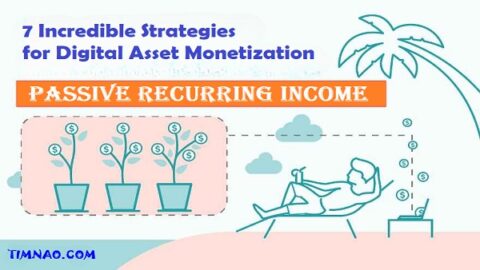
If you look at how wealthy people build security, you’ll notice a common pattern: they never rely on just one income source. A single paycheck can disappear with a job loss. Even one successful business can suffer during economic downturns. Multiple income streams, especially passive ones, provide stability and growth.
Passive income is money that flows in with little daily effort after the initial setup. It doesn’t mean “no work at all”—it usually requires upfront effort or investment—but once built, it generates ongoing returns with less hands-on involvement. For beginners, this is one of the most powerful ways to escape the paycheck-to-paycheck cycle.
Types of Passive Income
There are many ways to build passive income, and you don’t need to start big. Some of the most common include:
- Dividend Stocks and ETFs: Companies that share profits with shareholders pay dividends, often quarterly. If you reinvest these dividends, your wealth compounds faster.
- Rental Properties: A classic source of steady cash flow. With good management—or even a property manager—you can keep it relatively hands-off.
- Peer-to-Peer Lending: Platforms allow you to lend small amounts to individuals or businesses. Returns vary, but it spreads your risk across many loans.
- Digital Products: E-books, online courses, or stock photos can keep earning long after they’re created.
- Affiliate Marketing: If you have a blog or social media following, promoting products with affiliate links can bring commissions.
- Royalties: Musicians, writers, and creators earn royalties whenever their work is sold, licensed, or used. Today, even beginners can sell digital assets through platforms like Epidemic Sound or Amazon Kindle Direct Publishing.
- REITs (Real Estate Investment Trusts): For those who want exposure to real estate without owning property, REITs pay regular dividends.
Starting Small is the Secret
Many people think passive income requires massive investments, but the truth is, small consistent steps grow over time.
Imagine investing $200 per month into a dividend ETF with a 4% annual yield. After a few years, the dividends themselves start covering small expenses like a phone bill or groceries. With reinvestment, the snowball effect grows faster.
The same principle applies to digital assets. A beginner might create one small online course or a few stock photos. The income may start at $50 a month—but if repeated and scaled, it can turn into hundreds or thousands.
Systems, Not Hustles
The key difference between active hustles and passive income is systems. If you’re constantly working for each dollar, it’s not truly passive. Instead, look for ways to automate or delegate.
- Use software to automate online sales.
- Hire a property manager for rentals.
- Set up automatic reinvestment of dividends.
- Batch-create content that keeps selling without constant updates.
Passive income isn’t about being lazy—it’s about designing smart systems that let money flow in without demanding your daily time.
Real-Life Inspiration
Consider Emily, who started small by publishing a $5 budget planner on Etsy. At first, she made only $30 in a month. Instead of stopping, she created more digital products. Within two years, she had a catalog that brought in $1,500 a month—with no inventory, no shipping, and minimal effort beyond customer service.
Or take Jason, who invested in dividend-paying stocks during his 20s. By his mid-30s, those dividends were covering his rent, allowing him to redirect his paycheck toward investments and travel.
These stories aren’t about overnight wealth but about consistency, patience, and systems.
🛤️ Your Roadmap to Financial Freedom
With the foundations of saving, investing, real estate, tax strategies, and passive income, it’s time to see how everything fits together. A roadmap makes the journey to financial freedom less overwhelming and more achievable.
Step 1: Strengthen Your Base
Before anything else, ensure your financial safety net is in place. This means:
- A budget that matches your income and goals.
- A 3–6 month emergency fund.
- Paying off high-interest debt (like credit cards).
Without this foundation, wealth-building becomes unstable. It’s like building a skyscraper without a strong base—eventually, it collapses.
Step 2: Automate Your Savings and Investments
Set up automatic transfers so saving and investing happen without relying on willpower. When money moves automatically, you remove the temptation to spend it.
For example, you might schedule $300 monthly into a stock ETF, $100 into a high-yield savings account, and $50 into a Roth IRA. Over time, these small amounts accumulate into real wealth.
Step 3: Grow Income Streams
After covering basics, work on building multiple streams:
- Start with one, such as a dividend ETF or digital product.
- Add another when the first is stable.
- Over time, build 3–5 streams so you’re not reliant on one.
Remember, the goal isn’t dozens of tiny projects—it’s a handful of solid, reliable streams that balance effort and reward.
Step 4: Invest Long-Term and Diversify
Use long-term investing strategies like dollar-cost averaging and portfolio diversification. Combine stocks, bonds, real estate, and a small portion of alternative assets like crypto or metals.
Don’t chase trends. Instead, trust in consistency. The market rewards patience more than prediction.
Step 5: Optimize for Taxes
Even the best investment loses power if taxes drain too much. Use tax-advantaged accounts where possible. Reinvest dividends. Hold investments long enough to qualify for lower tax rates.
Think of taxes as another lever you can control. By planning ahead, you maximize what you keep, not just what you earn.
Step 6: Keep Learning and Adjusting
Financial freedom isn’t static. Markets change, opportunities evolve, and your personal goals shift. Wealthy people constantly adjust while staying committed to long-term principles.
Commit to continuous learning—through books, podcasts, or financial communities—so your roadmap evolves with you.
The End Goal: Freedom, Not Just Money
At its core, financial freedom isn’t about a dollar amount. It’s about choice. It’s being able to:
- Work because you want to, not because you have to.
- Travel, spend time with family, or pursue passions without financial stress.
- Live with security, knowing you’re prepared for emergencies and opportunities alike.
When you create multiple income streams, invest wisely, and manage money with purpose, you’re not just building wealth—you’re building freedom. And that’s the ultimate destination.
🌟 Staying Consistent: How to Keep Growing Without Burning Out
One of the biggest challenges in building wealth isn’t starting—it’s staying consistent. Many beginners get excited about saving, budgeting, or investing, but after a few months, motivation fades. Life happens, expenses pop up, and old habits creep back in.
The truth is, financial success is less about speed and more about sustainability. Small actions, repeated over years, create life-changing results. The key is to build systems and habits that keep you going without draining your energy.
Focus on Habits, Not Motivation
Motivation is powerful, but it’s temporary. Habits, on the other hand, run on autopilot. Once you turn good money practices into routines, you no longer rely on daily willpower.
For example:
- Automate savings so a portion of your paycheck goes straight into an investment account.
- Set bill payments to autopay so you never miss deadlines.
- Schedule a monthly “money date” to review your budget and goals.
By making money management part of your routine, you avoid burnout while still progressing.
The Power of Small Wins
Many beginners think they need to save thousands right away, but consistency beats size. Saving even $5–$10 daily builds momentum. When you see progress, even small amounts, you’re motivated to keep going.
Try setting mini-goals, like:
- Saving $500 in an emergency fund.
- Paying off one credit card.
- Investing your first $100.
Each milestone builds confidence, and confidence fuels consistency.
Avoiding Information Overload
Another reason beginners burn out is trying to learn everything at once. With endless YouTube videos, blogs, and “hot tips,” it’s easy to feel overwhelmed.
Instead, stick to a core learning path:
- Understand the basics of budgeting.
- Learn how savings accounts, ETFs, and retirement accounts work.
- Explore real estate or alternatives later, once the basics are solid.
Think of money like fitness. You don’t train for a marathon on day one—you build endurance gradually.
Celebrate Progress, Not Just End Goals
If you only celebrate when you’re a millionaire, you’ll miss all the progress along the way. Celebrate small wins—like paying off a loan or hitting your first $1,000 in investments.
Tracking progress visually can help. Apps like Mint or YNAB let you see your savings and investments grow. This makes progress feel real, which keeps you consistent.
Building a Support System
Consistency grows when you’re not alone. Wealthy people often surround themselves with mentors, communities, and peers who share similar goals.
You can:
- Join online finance communities.
- Share your goals with a trusted friend for accountability.
- Follow creators who encourage sustainable growth instead of risky shortcuts.
Having support keeps you grounded and motivated when challenges arise.
Balance and Avoiding Burnout
It’s easy to swing too far—saving every penny, avoiding all fun, or obsessing over numbers. This can lead to burnout and quitting altogether.
The secret is balance. Build a system that allows enjoyment while staying disciplined. For example, use the 50/30/20 rule:
- 50% needs (rent, food, bills).
- 30% wants (entertainment, hobbies).
- 20% savings and investments.
This way, you grow wealth without feeling deprived.
🙋 FAQs: Beginner Questions About Smart Investing Answered
Beginners often face the same questions when starting their journey. Let’s tackle some of the most common ones so you feel confident moving forward.
1. How much money do I need to start investing?
Not as much as you think. Many platforms let you start with as little as $10–$100. The key isn’t the amount, but the consistency. Even small investments compound over time.
2. Should I pay off debt before investing?
High-interest debt (like credit cards) should be a priority. If your debt charges 20% interest, it cancels out most investment gains. Focus on clearing that first. Low-interest debt (like student loans or mortgages) can sometimes be managed while you invest, but the priority should always be the highest-cost debt.
3. What’s the safest investment for beginners?
There’s no “zero-risk” option, but some safer starting points include:
- High-yield savings accounts.
- Certificates of Deposit (CDs).
- Broad market index funds (like S&P 500 ETFs).
These balance safety and growth without requiring deep expertise.
4. How do I choose between stocks, real estate, and other assets?
It depends on your goals and situation:
- Stocks/ETFs: Great for beginners, easy to start with small amounts.
- Real estate: Good for long-term builders with more capital.
- Alternatives (crypto, metals): Best for small, diversified exposure.
Start with stocks or ETFs, then expand when you’re comfortable.
5. What if I invest and the market crashes?
Market downturns are normal. Historically, the stock market has always recovered, often stronger than before. The key is not to panic. If you keep investing during downturns, you actually buy more at lower prices—a strategy known as dollar-cost averaging.
6. How do I protect myself from scams?
Scams often promise high returns with little risk. Red flags include:
- Guaranteed profits.
- Pressure to act quickly.
- Unregulated platforms.
Stick to trusted brokers, banks, and well-reviewed platforms. If it sounds too good to be true, it usually is.
7. When will I actually feel “financially free”?
It’s different for everyone. For some, it’s when passive income covers monthly expenses. For others, it’s having enough savings to feel secure. The key isn’t a specific number—it’s the peace of mind that comes from stability and choice.
8. How do I keep learning without feeling overwhelmed?
Choose one reliable source at a time. For example:
- Read one beginner-friendly book.
- Follow one personal finance podcast.
- Stick to one or two blogs.
Don’t drown yourself in conflicting advice. Build knowledge gradually, just like you build wealth.
9. Is it too late for me to start?
Absolutely not. Whether you’re 18 or 48, the best time to start was yesterday, but the second-best time is today. Even if you start later, consistency and smart choices can create surprising results.
10. How do I stay motivated for the long haul?
Tie your financial goals to personal dreams. Don’t just think “I want $100,000.” Think: “I want the freedom to travel, retire early, or support my family.” When money has meaning, staying motivated becomes much easier.
Bringing It Together
Consistency, patience, and clarity are what separate those who succeed from those who give up. By focusing on small, repeatable actions, avoiding burnout, and tackling your questions with confidence, you create a financial journey that lasts.
Financial freedom isn’t a finish line—it’s a lifestyle built step by step. And the more consistent you are, the more inevitable your success becomes.
⚠️ Important Disclaimers
- Not Financial Advice: The information in this article is for educational and informational purposes only. It should not be considered financial, investment, or legal advice. Always do your own research or consult with a licensed financial advisor before making financial decisions.
- Investing Involves Risk: All investments carry risk, including the possible loss of your principal. Past performance is not a guarantee of future results. Only invest money you can afford to lose.
- Individual Circumstances Vary: Strategies mentioned here may not be suitable for every reader. Your personal financial situation, goals, and risk tolerance should guide your decisions.
- No Guarantees: While the article highlights proven strategies and examples, there are no guaranteed outcomes in investing or wealth-building. Success depends on consistent effort, market conditions, and individual choices.
- Third-Party Links: References to third-party platforms or tools (such as brokers, apps, or services) are included for convenience only. Their inclusion does not constitute an endorsement, and readers are encouraged to review each platform’s terms and risks independently.